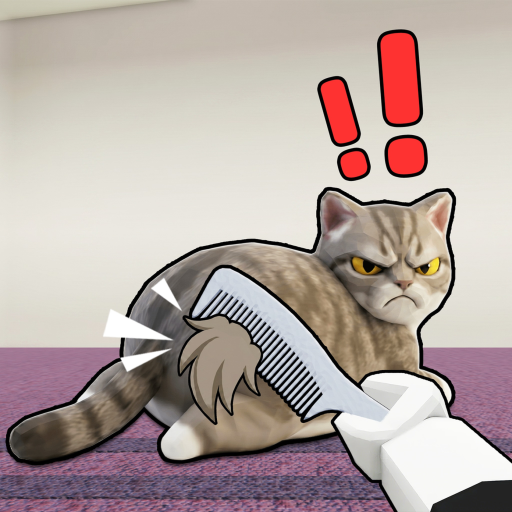
Keep the sample consistent
Use the same visible brushing setup and a fixed timing window.
Reduce comparison risk by measuring the same cat and fur over a consistent time window — the sampling routine, a recording sheet, and the one-variable rule, checked at the October 2026 review.
A pace note is a 60-second sample on one cat: count your brush strokes, note the meter movement of one brush, write both down with the date. Repeat next session and the comparison tells you whether the game's promised improvement is actually happening to you. Three rules keep it honest — same cat for pace comparisons, same window length every time, and one changed variable between samples.
Use the same visible brushing setup and a fixed timing window.
Write down progress per brush and brushes per minute before changing one visible factor.
Your device, timing, current progress, and a future update can change the observed result.
Run it at the start of a session, before fatigue can bend the numbers.
Strokes per minute is your speed; meter movement per brush is your effectiveness on that fur. Multiply them and you get meter points per minute — the single figure that answers whether tonight beat last week. Both inputs feed the calculator directly, so a recorded sample converts into a session plan in seconds.
Example rows use illustration numbers — your sheet starts empty and fills with your own samples.
| Date | Cat | Strokes/min | Movement/brush | Conditions |
|---|---|---|---|---|
| Oct 3 | Lobby cat A | 34 | 25 | evening, quiet server |
| Oct 5 | Lobby cat A | 36 | 25 | same conditions |
| Oct 5 | Lobby cat B | 29 | 31 | thicker fur — expected |
Reading the example: cat A improved from 34 to 36 strokes per minute under identical conditions — a real signal. Cat B's slower strokes are a fur comparison, not a regression, because the cat changed on purpose.
Because improvement is the game's whole promise — get faster and better over time, in the official description — and a promise you never measure is indistinguishable from marketing. Two numbers per session (strokes per minute and meter movement per stroke) turn the promise into a line on a page that either goes up or does not, checked against your own play rather than anyone's claims.
One minute. Shorter windows exaggerate a fast start; longer windows are unnecessary precision for a personal baseline. Brush at the rhythm you would hold naturally — a sprint sample gives you a sprint number you cannot sustain, and every plan built on it will miss.
Five columns: date, cat brushed, strokes in one minute, meter movement from one brush, and any condition worth remembering (new device, late night, busy server). Five rows tell you more about your trajectory than any stat table the game has never published.
The official description says every cat has different fur to deal with, which makes cross-cat comparisons a fur comparison — a different, useful measurement. Mixing cats inside a pace sample measures nothing at all. Same cat for pace; change the cat deliberately when you want to compare fur.
Change exactly one thing between them — the day, the cat, or the technique, never two at once. If Tuesday's sample beats Monday's on the same cat at the same time of night, the difference is real improvement. If you also switched devices, the number is a curiosity, not a result.
A week of notes feeds straight into the session planner, and the measurement logic is documented wiki-style on the progress notes page. Everything the official record supports — and the checked date it was checked — lives on the sources page.