Sponsored link
BrushAngryCat
Brushing guide

Brush Angry Cat Fur Types

Every cat has different fur to deal with — the game's own line, and its whole difficulty system. What that means in practice, what no source documents, and how to compare cats fairly, checked 2026-10-03.

The short version

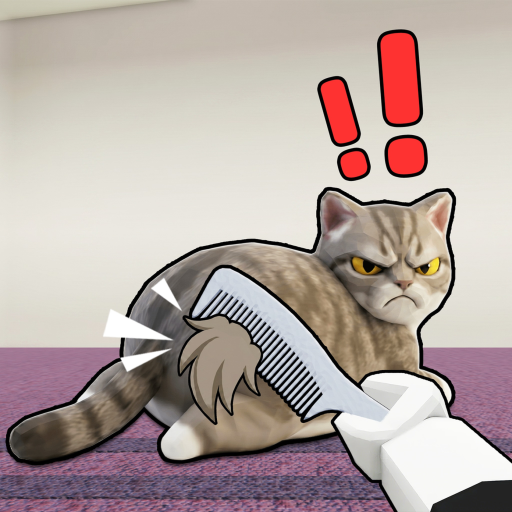
Different fur per cat is official: the description's fifth line says every cat has different fur to deal with. That single mechanic is what makes Brush Angry Cat more than one repeated action: each cat is a new brushing puzzle with its own resistance, rhythm, and feel, and the game counts on you moving between them. What the game has never published — and what no tracker or wiki covers as of 2026-10-03 — is the layer beneath: fur names, an official count, or per-fur difficulty values. This page therefore teaches the two things that are real today: how fur shapes your session, and how to measure which fur you personally handle fastest.

What fur does

Four ways different fur changes your brushing

Grounded in the official per-cat fur line and the experience of simulator-style brushing; the in-game specifics are yours to observe.

1. Each cat resets your mastery

The description's word is deal with — fur is friction, not decoration. A cat you have never brushed plays like a new problem, so switching cats mid-session trades your comfort pace for progress on an unsolved puzzle. That trade is the game's core decision.

2. Pace becomes the comparison currency

With no official difficulty scores, your brushes-per-minute on each cat is the only fur rating that exists. It is also a better one: it reflects your hands, your device, and your current skill rather than a static label someone invented.

3. Difficulty is a moving target

The description promises you get faster and better over time, which means today's worst fur can become next week's warm-up. Re-run your samples every few sessions — a static fur tier list would be stale the moment your pace improves.

4. Cats react, they do not just sit there

Community clips — the experience's Medal.tv hub had three public clips at the 2026-10-03 check, and a TikTok guide describes settling an angry catboy-style NPC — show cats responding to brushing rather than staying static. Treat the mood details as community observation, but expect the cats to be participants, not furniture.
Method

A fair fur comparison in three minutes

Same conditions, same rhythm, one variable — the sampling discipline every other guide on this site builds on.

  1. 1. Fix the conditions: one device, one sitting, similar time of day. A comparison across days measures the days, not the fur.
  2. 2. Brush one cat for a full 60 seconds at your normal rhythm. Note the meter movement — that number is your progress-per-brush scale for that cat.
  3. 3. Repeat on the next cat without changing rhythm. Two cats minimum; every cat your server offers is a bonus row.
  4. 4. Enter each movement figure as progress per brush in the calculator and compare the brushes-per-minute outputs. Highest pace = the fur you currently handle best.
  5. 5. Re-run the whole comparison after a week of play. The ranking moves as you improve — that movement is the game working as described.

Where the fur list will come from

This site ships fur pages as evidence arrives, not before. The realistic paths: the creator documents fur varieties in the game description or on the community page (the game's last recorded update was July 16, 2026 — a fresh update would restart our watch); a community wiki forms around the game (none exists yet); or enough dated player samples accumulate to publish a measured, sourced community ranking. Until one of those happens, your own samples are the best fur database in existence — and the cat roster notes explain how to explore the roster itself.

FAQ

Fur questions

How many fur types are in Brush Angry Cat?

The game has never published a count. The official description confirms the mechanic — every cat has different fur to deal with — which makes the number of fur varieties at least as large as the cat roster, and that roster is also undocumented as of 2026-10-03. The countable fact is the one you can see: however many cats your server offers, that is how many fur puzzles you can sample today.

Does fur type change my rewards?

No public source documents a reward table for this game — no currency table, no per-fur payout, nothing on the official page — so this guide will not invent one. What fur demonstrably changes is your brushing experience: pace and feel per cat. If the creator documents fur-based rewards, the fur pages get updated with the source and a new checked date.

What is the hardest fur to brush?

There is no public difficulty ranking, and a ranking without sources would be exactly the kind of filler this site refuses to write. The practical answer: the hardest fur for you is the one where your timed sample runs slowest, and that ranking is personal — it can change as you improve.

Why do other sites list specific fur names?

Some cat-grooming content on short-video platforms is about different games entirely — exact-title searches for this game pull in a flood of same-name cat content. Our two search passes (2026-07-16 and 2026-10-03) found no fur list that could be verified against this experience's UI, so nothing here repeats one.

How long should a fur comparison sample be?

One minute per cat is enough for a useful ranking: brush at normal rhythm for 60 seconds on one cat, note the meter movement, then repeat on the next cat with the same rhythm. Feed each movement figure into the calculator as progress per brush and the brushes-per-minute output ranks the fur for you. Three minutes of setup buys a defensible personal meta.

Continue

How to play for the loop itself, fur and rewards for the wiki-side view, and the pace notes for a repeatable sampling routine that keeps every comparison honest.